
Insights and case studies
Strategic perspectives on emerging markets, technologies and business opportunities
Search our perspectives on emerging technologies, markets and strategy:

India's Orbital Infrastructure Map: 28 Companies Building the Infrastructure Layer of the Earth Economy
India’s space economy is moving beyond launch vehicles and satellites towards the infrastructure that enables spacecraft to operate, move, interact and create value in orbit. This insights maps 28 Indian space tech companies across nine layers of Earth-orbit infrastructure, from SSA and propulsion to in-orbit servicing and others.
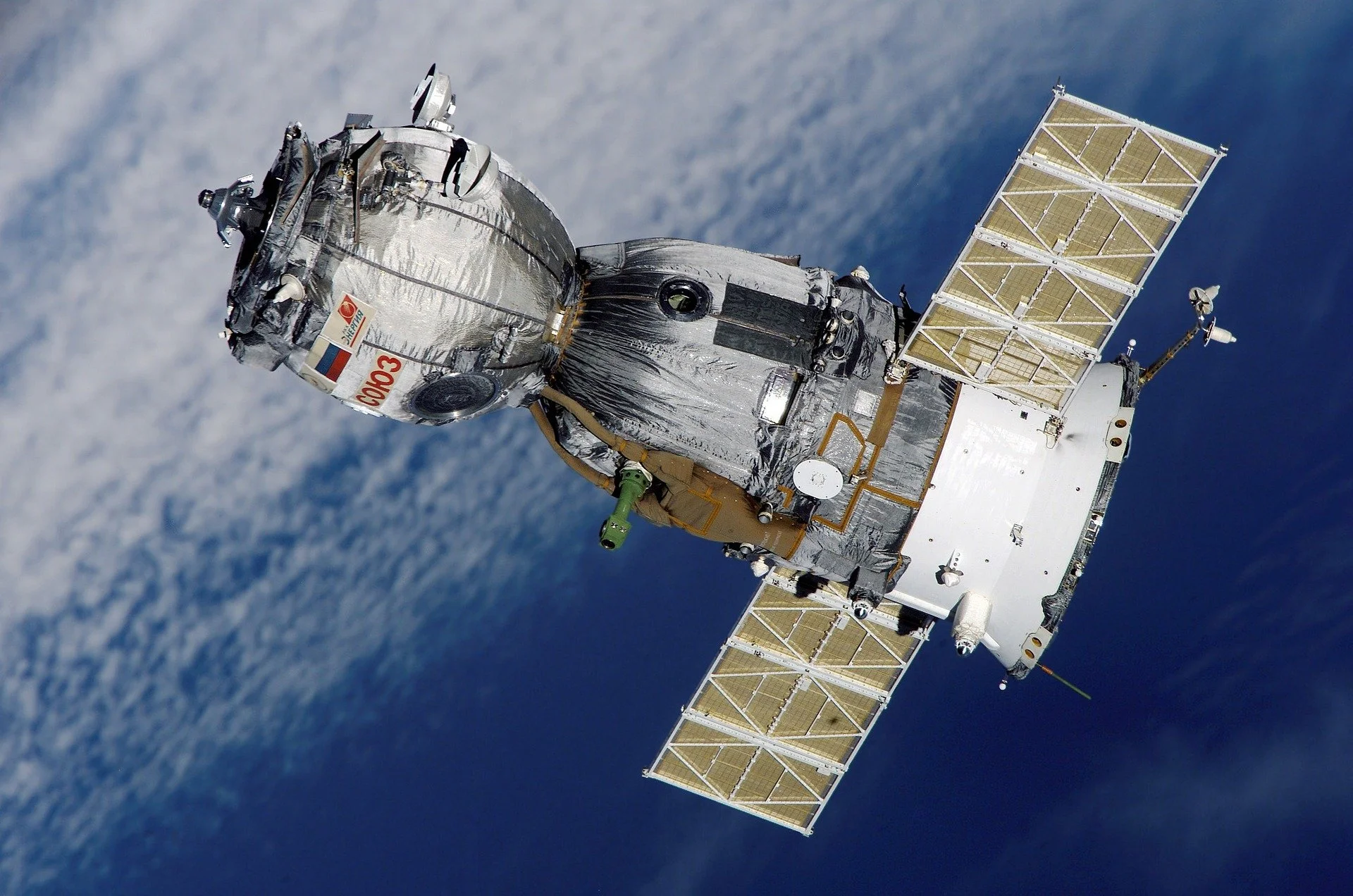
A Guidebook for Foreign Companies Entering India's High-Opportunity Space Economy
India’s space economy is expanding rapidly, creating opportunities for global space companies. But success depends on understanding the market, regulatory environment, local partnerships and customer-access dynamics - not simply the size of the opportunity.

New space race is a five-layer economy, with satellites and “Space Race 2.0” representing only parts of it
The new space race isn't one market - it's five. From commoditising Earth orbit to pre-revenue deep space, each layer has its own capital, maturity, and risk profile. We break down where the real money is moving now, why the Moon is industrial policy rather than a market, and the fastest-growing layer - security, sovereignty and regulation - which most CXOs are missing entirely.
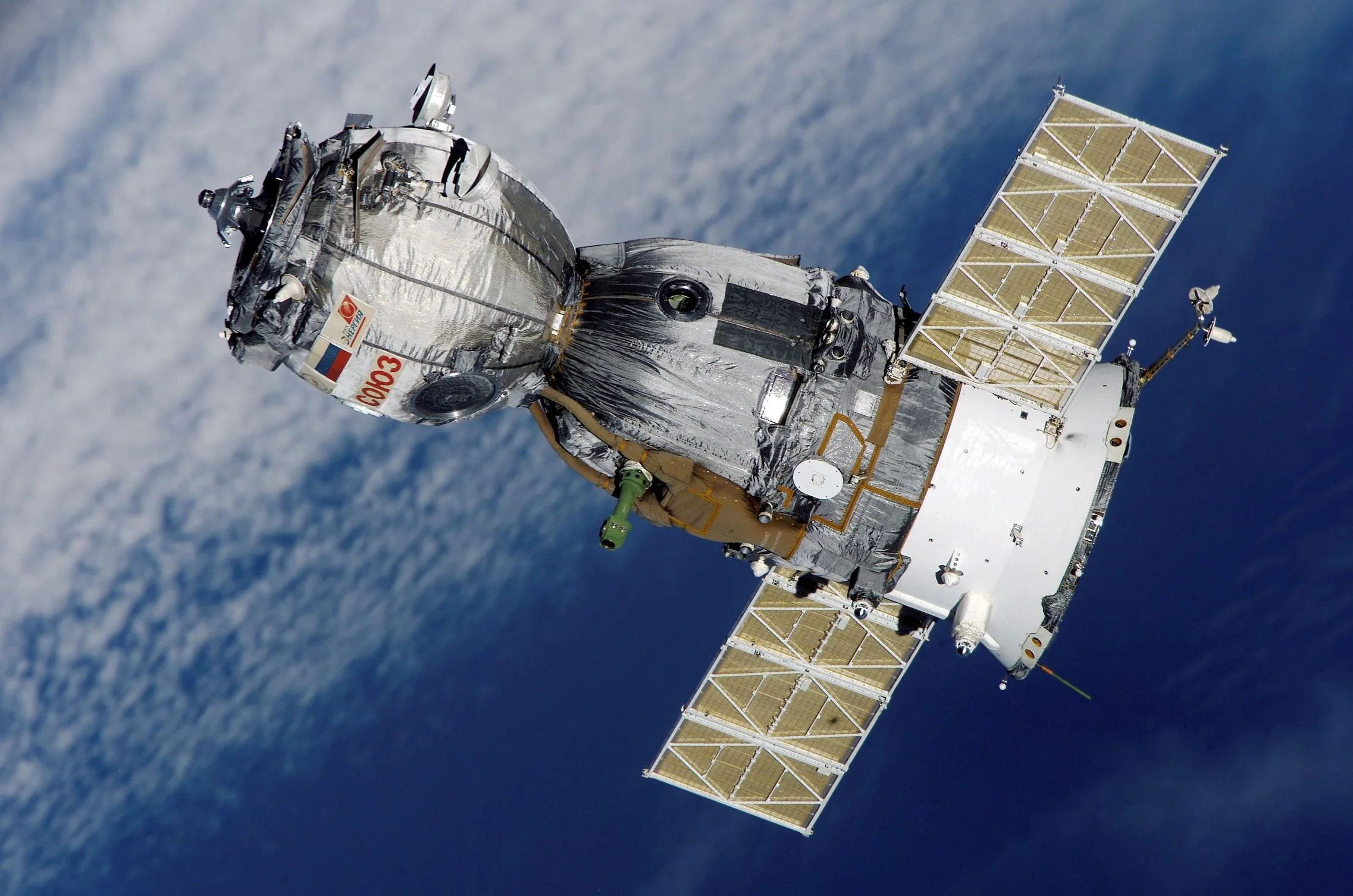
Orbital Leverage Points: The Infrastructure Layers That Will Control the Space Economy
As the space economy races toward $1 trillion-plus, the biggest winners won't be the best spacecraft builders, they'll be the companies that control the five orbital choke points or infrastructure chokepoints everyone else depends on.

Case Study: Global Cloud and Edge Technology Major - India IaaS Market Entry via Acquisition
Learn how we helped a global cloud and edge technology major identify and acquire the right India IaaS target - securing an all-cash deal and a foothold in the high-growth SMB segment in India.

Case Study: Asian Satellite Major - India Market Entry for OISL Technology
Learn how we helped an Asia-based satellite major identify the right end-use segments, vet 25 potential Indian partners, and run direct outreach for its OISL solution - resulting in signed MoUs with two high-growth Indian satellite startups and a follow-on mandate for its next-generation pan-sharpening technology.
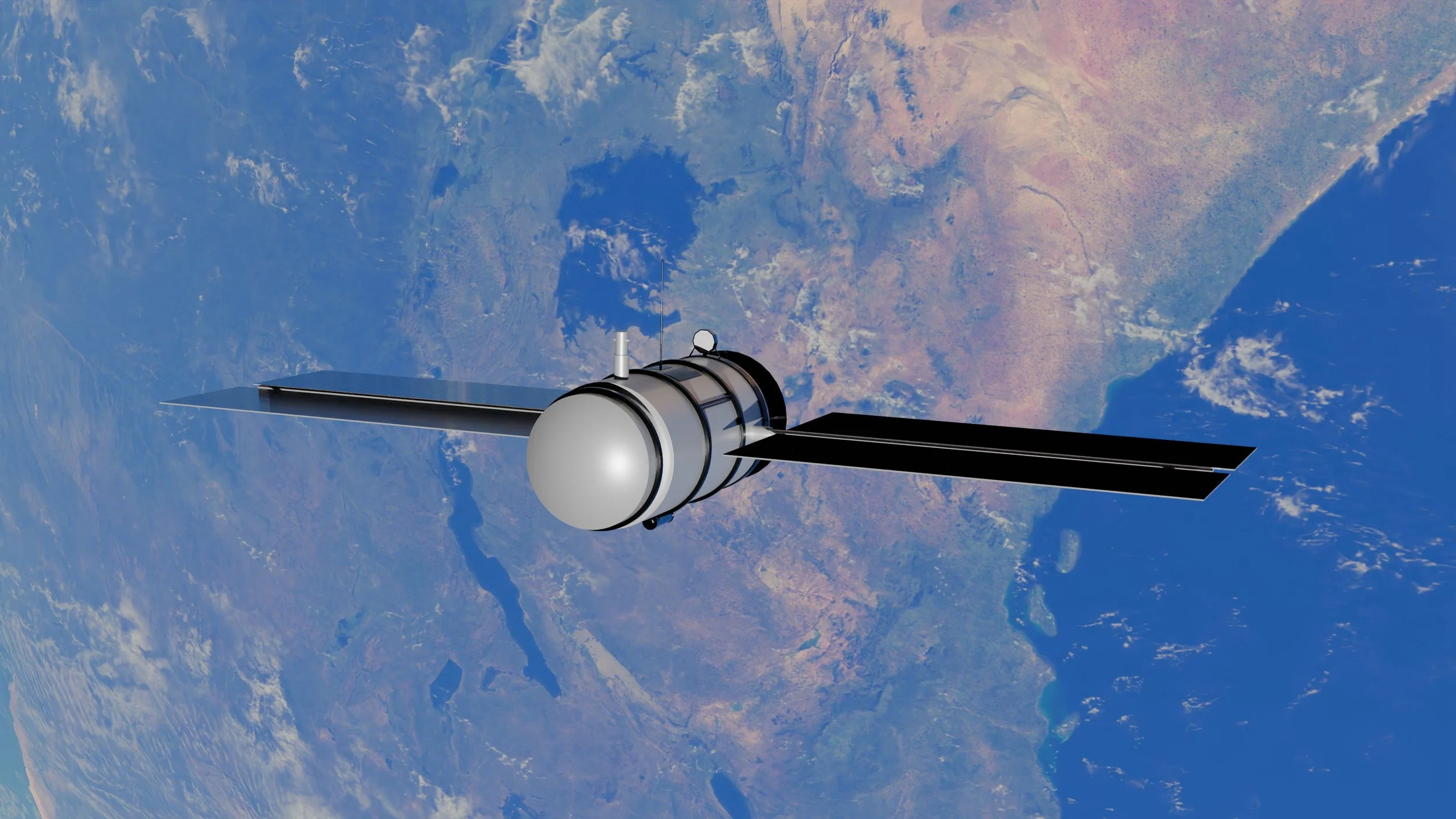
Sovereign Space Is Becoming a Full-Stack Question
Satellite ownership has become the default measure of space sovereignty - but it's the wrong question. This insights breaks down a three-tier framework (full-stack, space-segment, and sovereignty-as-a-service) for understanding what "sovereign space" actually requires, and why the infrastructure underneath the satellite may matter more than the satellite itself.

Case Study: Asian EV Manufacturer - India Market Entry, Pricing and Positioning
Learn how we helped an Asian EV manufacturer understand the ICP, develop its customer strategy, positioning, pricing and India market-entry approach - contributing to 1,500+ bookings within two months of launch.

How to Tell If a “Hot” Vertical Is Actually Investable
A fast-growing market is not necessarily an investable market. The difference lies in what is changing beneath the hype.
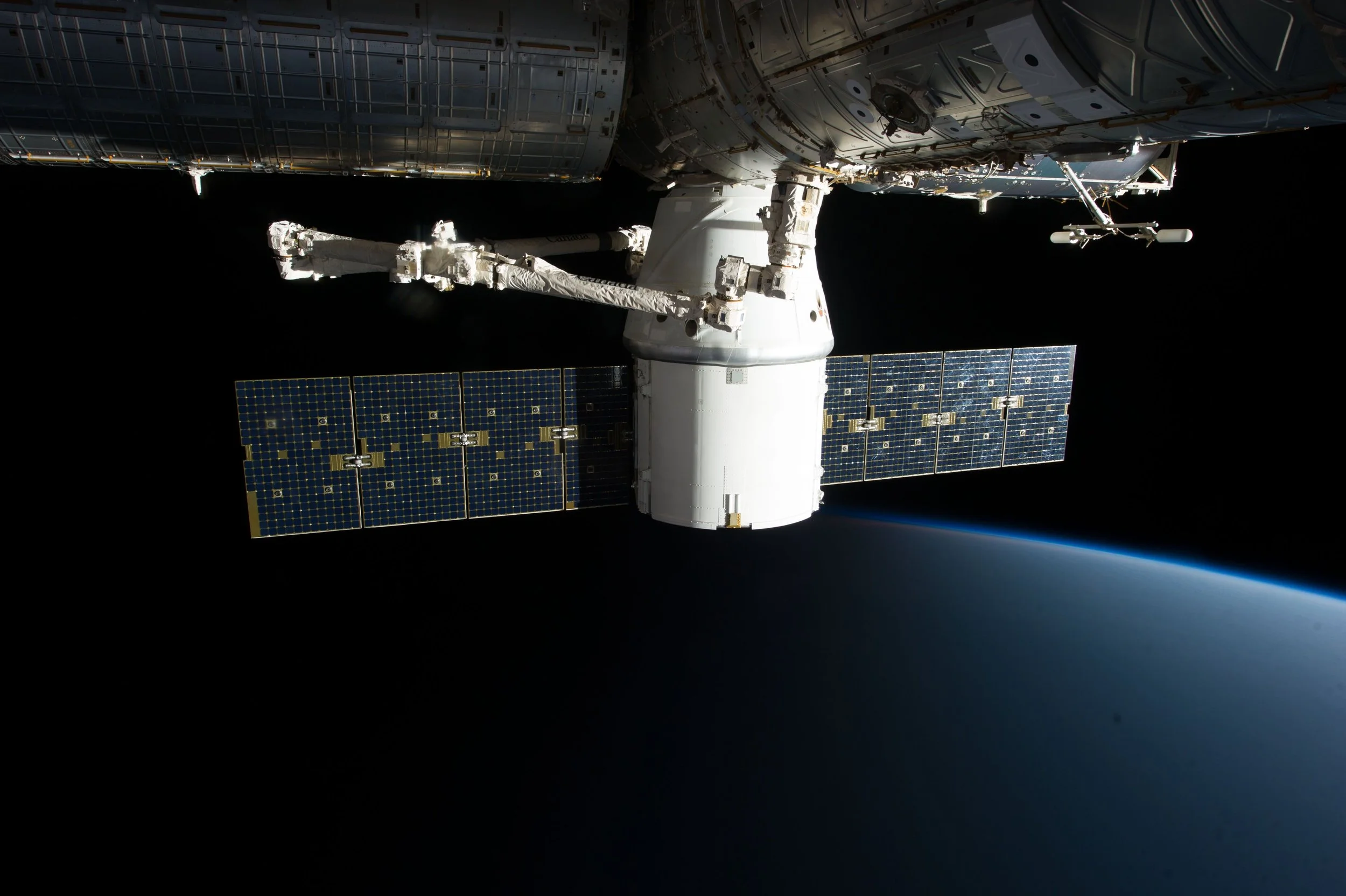
The Space-to-Space Economy: The Next Evolution of the Space Sector
For decades, the space economy has largely followed an Earth-to-space model - build on Earth → launch → operate → eventually replace. That model is beginning to change. We are moving toward a S2S economy, where assets in orbit increasingly interact with, service, support, and eventually manufacture other assets in orbit.

The New Space Race: 30 Emerging Space-Tech Companies to Watch for in 2027
Over the last 5-6 years, a new generation of venture-backed companies has emerged to build the infrastructure layer of the orbital economy. Below we discuss 30 companies in this space that are making a difference.
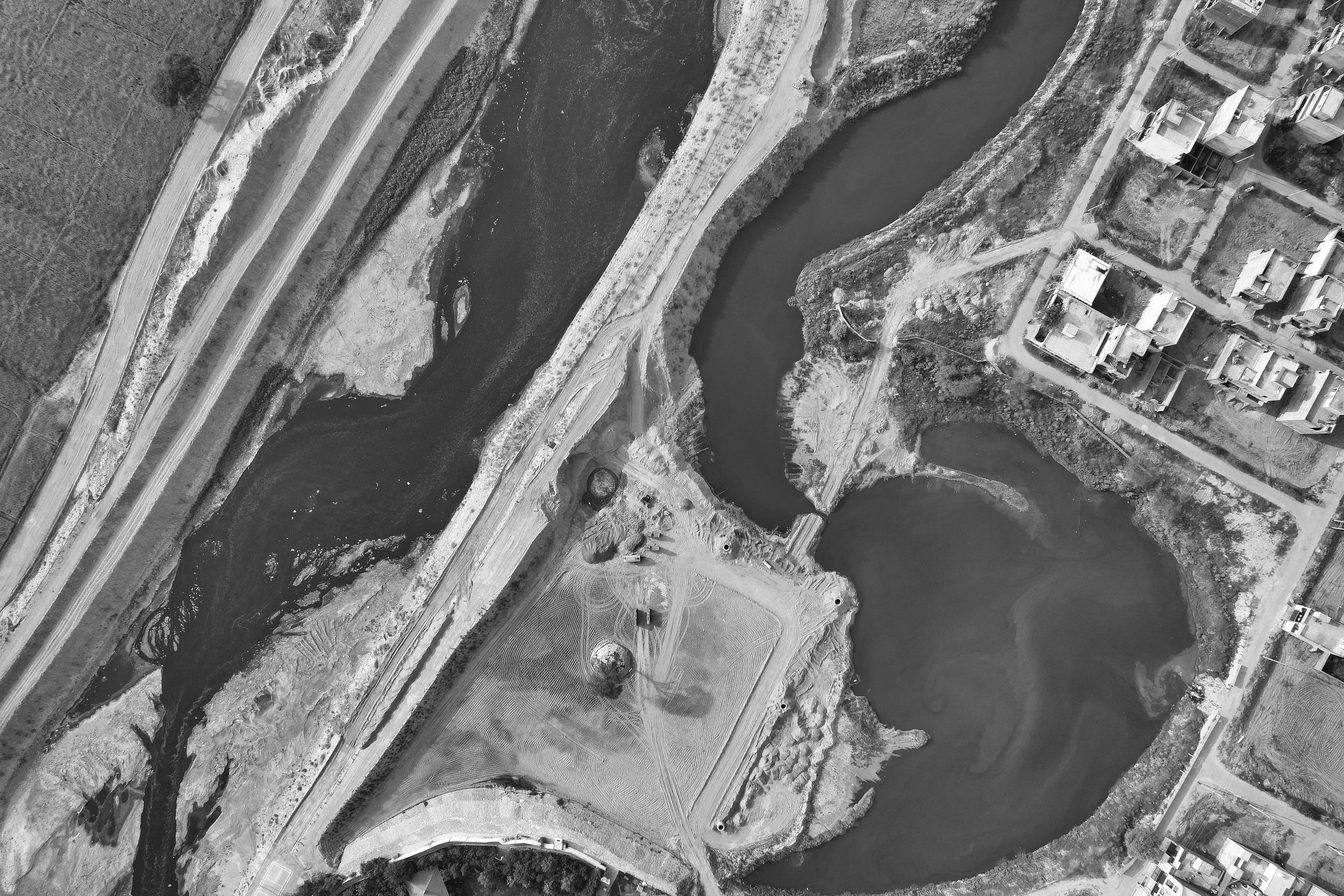
Beyond the Edge: Why AI-Powered Super-Resolution Is the Next Frontier in Earth Observation
As SAR constellations reshape Earth observation, super-resolution and intelligent enhancement are becoming the key to unlocking their full value. Here's why the next competitive edge in EO won't come from capturing more imagery, but from making it more useful - through AI usage in imagery

The view from above: Sovereign EO constellations are reshaping strategic advantage
Earth Observation satellites are no longer just tools for climate science or agricultural monitoring. They have become instruments of geopolitical power - and the nations that control them are quietly rewriting the rules of strategic competition.

Orbital servicing to become a key opportunity area
With the space transitioning to ‘maintenance economy’ phase, the next major opportunity will come from maintaining assets already in orbit.
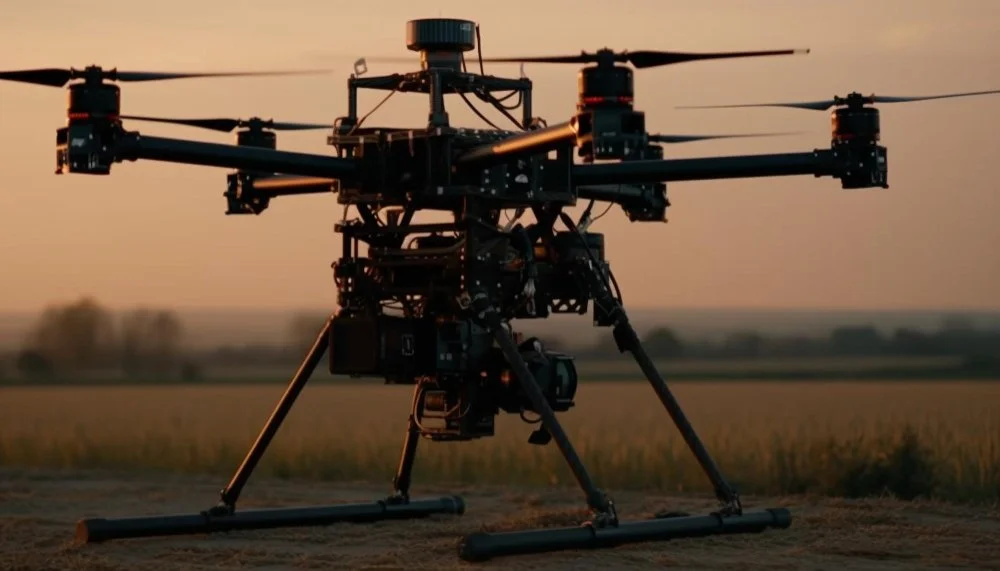
Modern conflict’s key asset isn’t drones. It’s satellite infrastructure.
Without satellite support, a drone is little more than airborne hardware. Yet most discussions on modern conflict stop at the drone - and never ask what's behind it.
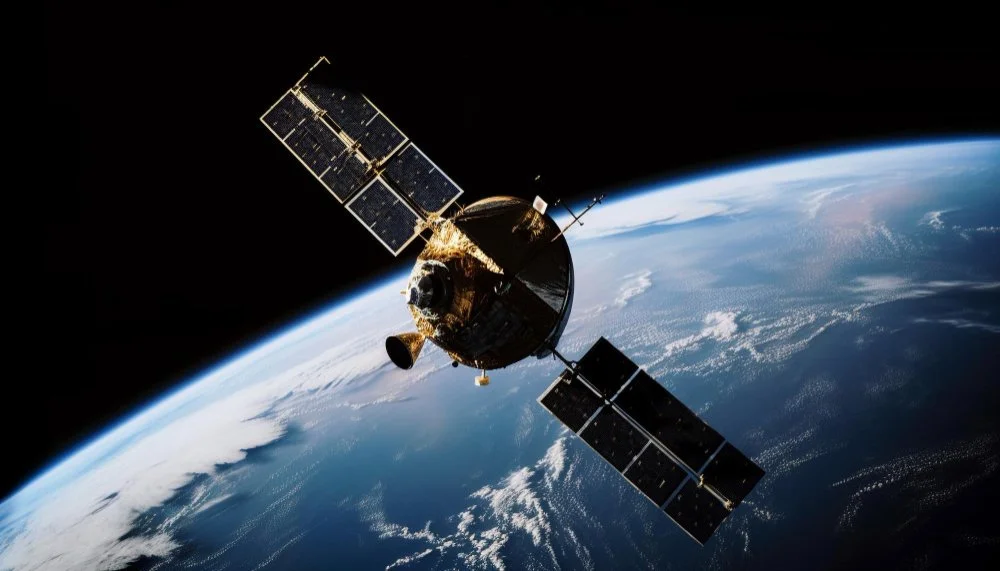
EO Is No Longer About Data. It’s About Decisions
The Earth Observation (EO) sector is entering a structural transition. The competitive advantage is no longer defined only by satellite launches or imaging capability,

Orbital AI’s biggest bottleneck isn’t the chips. It’s heat.
Space is a vacuum - a near-perfect insulator. Heat can't be convected away. It can only be radiated as infrared. To dissipate just 1 MW at a stable 20°C requires approximately